About NASPHV
The professional home for State Public Health Veterinarians, dedicated to preventing and controlling zoonotic diseases across the United States.
Our Mission
Our mission is to prevent and control zoonotic diseases in the United States by providing professional support for state, tribal, local, and territorial public health practitioners, developing formal guidance for specific diseases and transmission settings, and advocating for state and federal laws and policies.
Executive Board
Curtis Fritz
DVM, MPVM, PhD
President
Amanda Feldpausch
DVM, MPH
President-Elect
Natalie Kwit
DVM, MPH, DACVPM
Past President
Betsy Schroeder
DVM, PhD, DACVPM
Treasurer
Jen Brown
DVM, MPH, DACVPM
Secretary
What is a State Public Health Veterinarian?
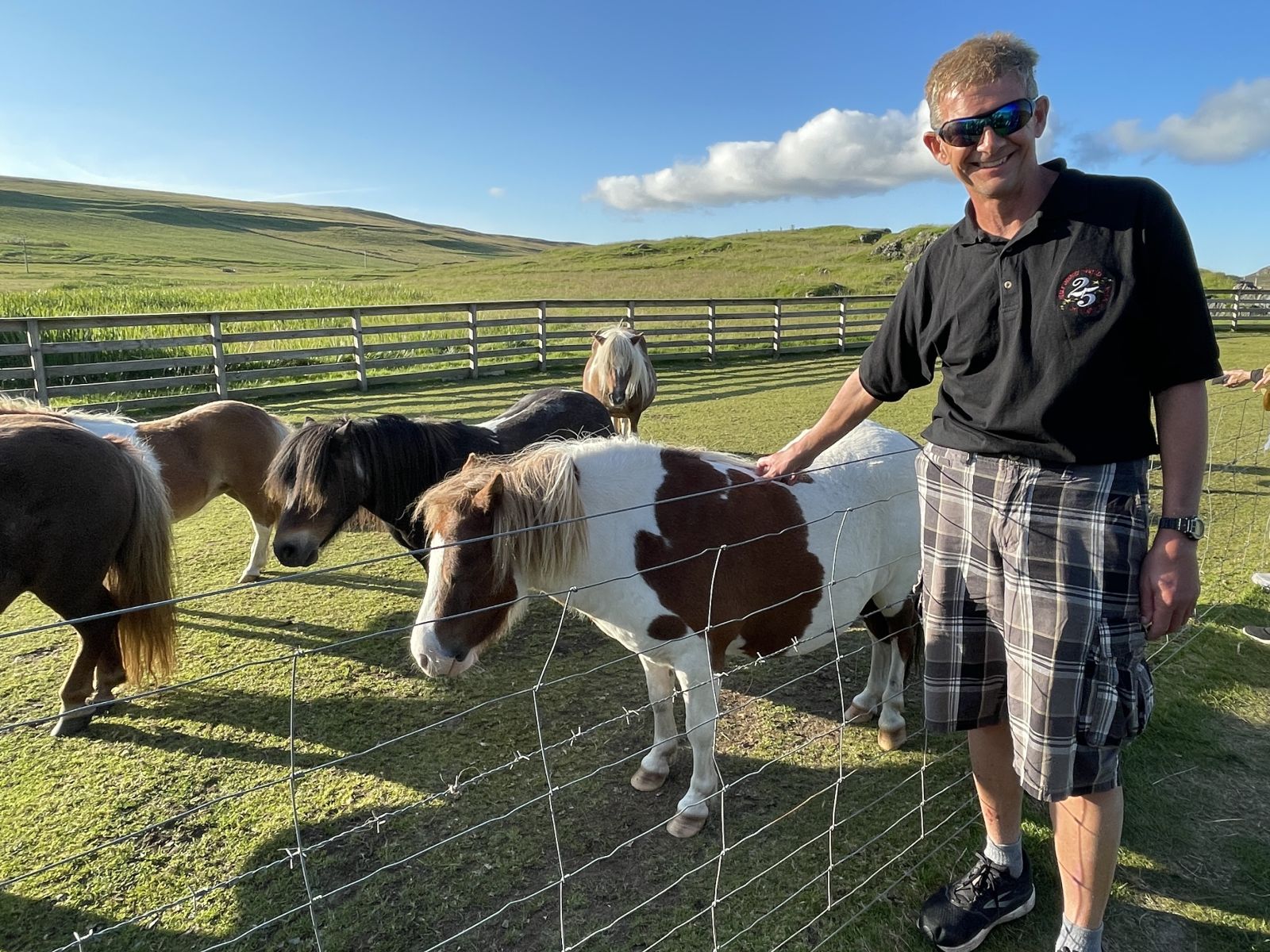 Dr. Curtis Fritz. Public health veterinarians in state health departments are usually housed in Epidemiology, but may be employed by the Toxicology or Environmental divisions in health departments. Public health veterinarians are employed in many agencies: all university Colleges of Veterinary Medicine employ public health veterinarians; meat and poultry inspection (USDA/FSIS or state) has traditionally been supervised by public health veterinarians, and there is an American Association of Food Hygiene Veterinarians. FDA has several veterinarians active in public health work; CVM is an example and the monthly newsletter is called The FDA Veterinarian. Evaluation and approval of drugs (FDA) and biologicals (USDA) for animals depends on public health veterinarians. Public health veterinarians at the National Center for Environmental Health are involved in analyzing the effects of Concentrated Animal Feeding Operations (CAFOs) on the public health; there are hundreds of public health veterinarians in the military directing programs from sanitation to food safety to bioterrorism to emerging infectious diseases.
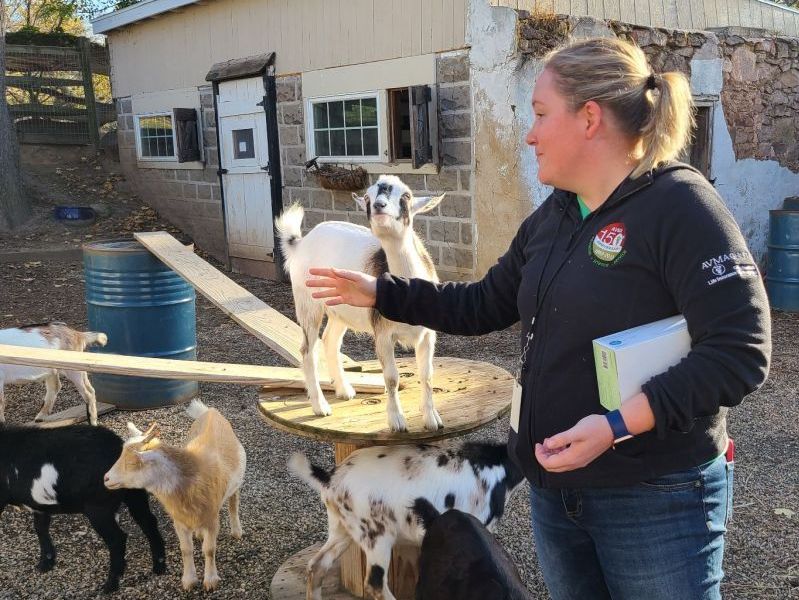 Dr. Betsy Schroeder. Much of the current knowledge on antimicrobial resistance is the result of public health veterinarians; there are over 150 zoonotic diseases in the U.S., and public health veterinarians are on the front lines daily, investigating outbreaks of E. coli 0157, cryptosporidiosis, pfiesteria, Salmonellosis, West Nile Virus, Lyme disease, rabies, etc. As the only professionals in many health departments with knowledge and training in parasites, vectors, and hosts of zoonotic diseases, public health veterinarians often end up acting as the vector control coordinator for those diseases transmitted by mosquitoes, ticks, and other arthropods. Many animal control and animal welfare agencies around the country are managed by public health veterinarians, because of the impact of animal bites or exposures. Guidelines for animals in schools, health care facilities, and as service and therapy animals are prepared by public health veterinarians; university and industry researchers employ public health veterinarians and many of them investigate occupational health problems; public health veterinarians compose national and international recommendations such as the Rabies Compendium and Psittacosis Compendium; animal diagnostic laboratories utilize the expertise of public health veterinarians.
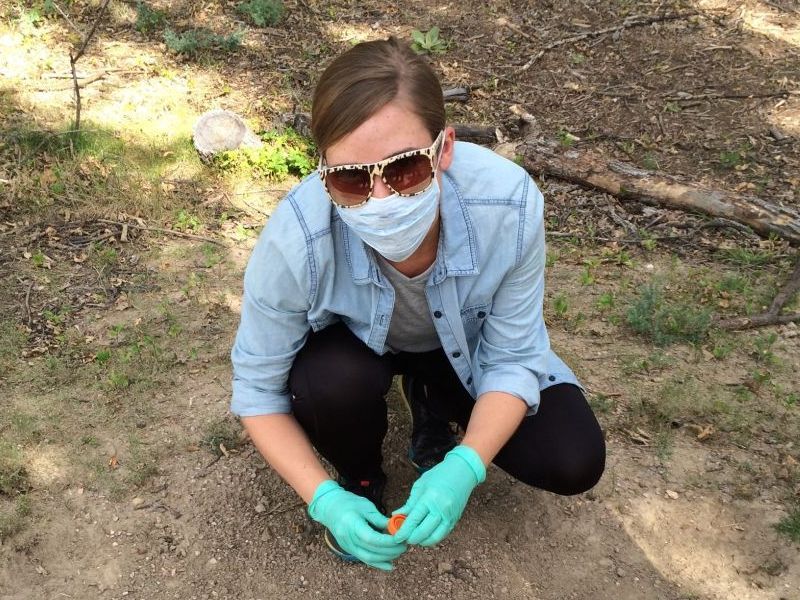 Dr. Natalie Kwit. Board certification for public health veterinarians is mainly governed by the American College of Veterinary Preventive Medicine, but many other public health veterinarians are board-certified as parasitologists, pathologists, in laboratory animal medicine and other disciplines within the profession. There is also an American Association of Public Health Veterinarians, American Association of Wildlife Veterinarians, and the Alliance of Veterinarians for the Environment that address public health concerns. Since there were still 12 states in the U.S. in 2000 without a designated SPHV, the Council of State and Territorial Epidemiologists (CSTE) and the American Veterinary Medical Association (AVMA) both passed position statements and resolutions in 1999 to ask the governors and state health officers of each state to ensure that a SPHV is appointed.
State public health veterinarians are the local and state professionals who regularly consult with physicians, emergency rooms, legislators, local officials, schools, health departments, and the general public on preventing exposures to and controlling diseases that humans can get from animals and animal products. Many SPHVs are on call 24 hours a day, 7 days a week, and have singular authority in the state on rabies exposures. No list of local or state officials can be considered complete without the SPHV and local public health veterinarians.
This piece was authored in the early 2000s by Dr. William B. Johnston, who was the State Public Health Veterinarian for Alabama, the Immediate Past President of the Alabama Veterinary Medical Association, and the President of the National Association of State Public Health Veterinarians at the time of his death in 2003.